
Salon Booth Rental Lease Agreement PDF: A Comprehensive Plan
Navigating salon booth rentals requires a solid agreement! This PDF guide details essential components‚ from financial terms and responsibilities to legal considerations‚
ensuring clarity for both salon owners and renters.
California-specific details and downloadable templates are included. AI-powered options and legal review importance are also highlighted for a comprehensive understanding.
Salon booth rental agreements are crucial documents outlining the terms between a salon owner (lessor) and a stylist or beauty professional (lessee). These agreements offer flexibility‚ allowing independent operators to build their clientele within an established salon environment.
A well-drafted agreement protects both parties‚ defining rent‚ responsibilities‚ and operational guidelines. PDF templates provide a convenient starting point‚ but customization is key.
Understanding California’s specific legal landscape is vital‚ as regulations can significantly impact enforceability. Utilizing AI-generated templates can streamline the process‚ but legal review is paramount to ensure compliance and avoid future disputes.
II. Key Components of a Booth Rental Lease Agreement
Essential components of a robust booth rental agreement include clear identification of the lessor and lessee‚ a precise definition of the leased premises (address and square footage)‚ and a specified lease duration with renewal options. Financial details – monthly rent‚ payment schedules‚ and late fee policies – are critical.
Furthermore‚ the agreement must delineate responsibilities regarding utilities‚ maintenance‚ insurance‚ and adherence to salon policies. Specific clauses addressing client management‚ equipment usage‚ and termination procedures are also vital for a legally sound and mutually beneficial arrangement. Downloadable templates often provide a solid foundation for customization.
III. Identifying the Parties Involved
A legally sound booth rental agreement begins with precise party identification. This necessitates including the full legal name and contact information for both the Lessor (the salon owner) and the Lessee (the booth renter). Accurate details‚ including addresses and potentially business entity types‚ are crucial.
Clearly defining these roles establishes accountability and ensures proper communication throughout the lease term. Templates emphasize the importance of this initial step‚ often providing dedicated sections for entering this foundational information. Proper identification avoids ambiguity and potential disputes later on.
A. Lessor (Salon Owner) Information
The Lessor section demands comprehensive details about the salon owner. This includes the full legal name of the individual or business entity owning the salon‚ along with a complete mailing address. Crucially‚ the agreement should also specify a primary contact person and their contact information – phone number and email address – for all lease-related communications.
Templates often request information regarding the salon’s business license number‚ if applicable. Accurate Lessor information is vital for legal enforceability and clear communication regarding the leased booth space.
B. Lessee (Booth Renter) Information
Accurate Lessee details are paramount within the agreement. This section requires the booth renter’s full legal name and complete mailing address. Importantly‚ include their professional license number (e.g.‚ cosmetology license) and expiration date‚ verifying their legal ability to practice.
Contact information – a reliable phone number and email address – is essential for communication. Some templates may also request emergency contact details. Complete and correct Lessee information ensures accountability and facilitates smooth lease administration.
IV. Defining the Leased Premises
Clearly defining the leased space is crucial to avoid disputes. This section details the exact address of the salon and the specific location of the booth within it. Precise identification prevents ambiguity regarding the renter’s designated area.
Crucially‚ the agreement must state the square footage of the booth space (xSF times xSF). This measurement impacts rental costs and usage rights. A detailed description of included fixtures or equipment within the booth should also be listed‚ ensuring both parties understand what’s covered by the lease.
A. Address and Specific Location within the Salon
The lease agreement must explicitly state the full street address of the salon. Beyond the address‚ pinpointing the exact booth location is vital – for example‚ “Booth #3‚ located near the window facing Main Street.” Specificity prevents misunderstandings about the renter’s assigned workspace.
Consider adding a simple diagram or floor plan as an addendum‚ visually illustrating the booth’s position. This minimizes potential disputes regarding boundaries or access. A clear description ensures the renter knows precisely which area they are leasing within the salon.
B. Square Footage of the Booth Space
Accurately defining the booth’s square footage is crucial for fair rental calculations. The lease should state the exact measurement (e.g.‚ “80 square feet”). This prevents disputes over the size of the leased area and ensures transparency in rental charges.
Include how the square footage was determined – whether a professional measurement or an estimate. A detailed description of what’s included in that footage (e.g.‚ space for chair‚ styling station) is also beneficial. This clarity protects both the lessor and lessee.
V. Term and Renewal of the Agreement
Clearly defining the lease term provides stability for both parties. Specify the exact start and end dates of the initial agreement. Renewal options should be outlined‚ detailing procedures for extending the lease – for example‚ a written notice period (30 or 60 days) required before the lease expires.
Address potential rent increases upon renewal. Will it be a fixed percentage‚ or tied to market rates? Specify if automatic renewal occurs unless notice is given. A well-defined term and renewal process minimizes future misunderstandings.
A. Lease Duration (Start and End Dates)
Precisely stating the lease duration is fundamental. The agreement must explicitly state the commencement date – when the booth renter can begin operating. Equally important is the termination date‚ defining the lease’s end. This prevents ambiguity regarding occupancy rights.
Use a clear date format (MM/DD/YYYY) to avoid confusion. A defined term provides both the lessor and lessee with a predictable timeframe. Consider a minimum lease term to recoup initial investment and ensure stability.
B. Renewal Options and Procedures
Clearly outlining renewal options fosters a positive landlord-tenant relationship. The agreement should detail if renewal is automatic‚ requires notice‚ or is subject to negotiation. Specify the notice period required from either party – typically 30-60 days – to prevent unexpected vacancies or forced renewals.
Address potential rent increases upon renewal. Will it be a fixed percentage‚ tied to an index‚ or subject to market rates? Detail the procedure for initiating renewal‚ including required forms or communication methods. A well-defined process minimizes disputes.
VI. Financial Aspects: Rent and Payment
This section is crucial for financial clarity. The agreement must state the monthly rental amount explicitly. Detail the payment schedule – due date‚ frequency – and accepted payment methods (check‚ cash‚ electronic transfer). Specify any associated fees for returned payments or alternative methods.
Clearly define late payment penalties‚ including grace periods and applicable fees‚ adhering to local laws. Outline procedures for rent increases‚ if any‚ and the notification timeframe. A transparent financial structure prevents misunderstandings and ensures timely payments.
A. Monthly Rental Amount
The monthly rental amount is a foundational element. This must be a clearly stated‚ fixed sum‚ expressed in US dollars. Specify if the amount is subject to any future increases‚ and if so‚ under what conditions (e.g.‚ annually‚ based on CPI).
Detail whether the rental amount includes any additional charges‚ such as utilities or common area maintenance fees. A precise figure avoids ambiguity and potential disputes. Ensure this amount aligns with prevailing market rates for comparable booth rentals in the area.
B. Payment Schedule and Accepted Methods
Establish a consistent payment schedule‚ typically monthly‚ with a specific due date. Clearly state the accepted methods of payment – cash‚ check‚ electronic transfer‚ or credit/debit card. If electronic payments are accepted‚ detail any associated fees.
Outline where payments should be delivered or sent. Specify if automatic payments are required or available. A well-defined schedule and accepted methods streamline the financial process and minimize potential misunderstandings between lessor and lessee.
C. Late Payment Penalties
Clearly define penalties for late rent payments to incentivize timely remittance. This could include a fixed late fee‚ a percentage of the rent owed‚ or accruing daily interest on the outstanding balance.
Specify a grace period‚ if any‚ before penalties are applied. Detail how and when the late fee will be assessed. A transparent late payment policy protects the lessor’s income stream and encourages responsible financial behavior from the lessee‚ fostering a positive business relationship.
VII. Responsibilities of the Lessor (Salon Owner)
The salon owner is generally responsible for maintaining a safe and functional environment. This includes providing essential utilities like electricity‚ water‚ and climate control‚ alongside regular maintenance of common areas.
Adequate insurance coverage for the salon itself is crucial‚ protecting against property damage and general liability. The lessor must ensure compliance with all relevant health and safety regulations‚ creating a professional and legally sound space for booth renters to operate their businesses.
A. Providing Utilities and Maintenance
Lessor obligations encompass consistent utility provisions; This means reliable access to electricity for styling tools‚ water for stations‚ and appropriate heating/cooling for comfort.
Regular maintenance of shared spaces – restrooms‚ floors‚ reception areas – is vital. Prompt repairs to structural issues or equipment failures are also the lessor’s duty. A well-maintained salon attracts clients and demonstrates professionalism‚ directly benefiting both the owner and the booth renters.
B. Insurance Coverage for the Salon
The salon owner must maintain comprehensive insurance. This typically includes general liability insurance‚ protecting against client injuries or property damage within the salon premises. Property insurance safeguards the building and its contents from events like fire or theft.
Workers’ compensation insurance is crucial if the salon employs staff. While booth renters are generally responsible for their own liability insurance‚ the salon’s policy provides a foundational layer of protection for the overall business and shared spaces.
VIII. Responsibilities of the Lessee (Booth Renter)
Booth renters are accountable for maintaining a professional appearance within their designated space‚ adhering to salon standards of cleanliness and hygiene. Crucially‚ they must obtain individual liability insurance to cover their services and protect themselves from potential claims.
Renters are responsible for managing their own client schedules and ensuring excellent customer service. They must also comply with all salon policies regarding equipment use‚ waste disposal‚ and overall conduct‚ contributing to a positive environment.
A. Maintaining a Professional Appearance
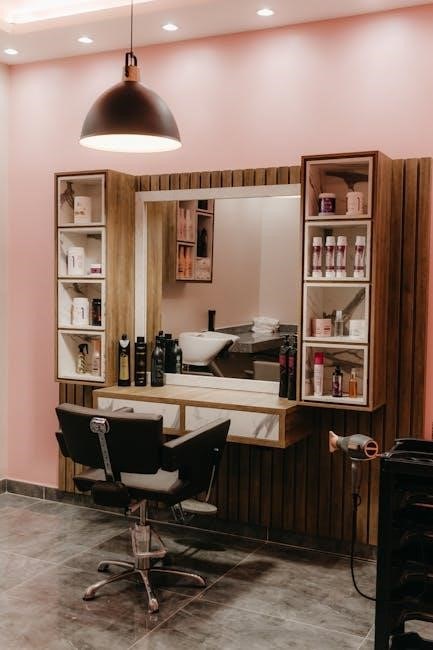
A consistently professional appearance is paramount for booth renters. This encompasses both personal grooming and the upkeep of their rented booth space. Cleanliness is non-negotiable‚ requiring regular sanitization and organization to create a welcoming environment for clients.
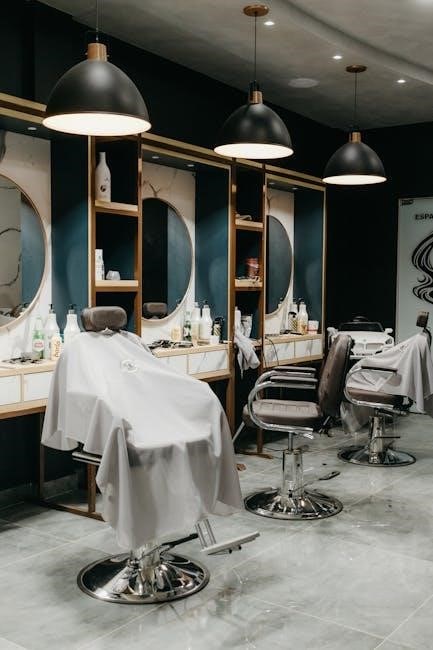
The booth should reflect the renter’s brand and expertise‚ while adhering to the overall aesthetic of the salon. Presenting a polished and inviting space builds client trust and contributes to the salon’s reputation‚ fostering a positive and successful business relationship.
B. Obtaining Individual Liability Insurance
Independent liability insurance is crucial for booth renters. This protects them from potential claims arising from their services‚ such as accidental injuries or professional negligence. Salon insurance typically covers the premises‚ but doesn’t extend to individual renter’s actions.
Renters are responsible for securing their own coverage‚ with specified minimum limits often outlined in the lease agreement. Proof of insurance is a standard requirement before commencing work‚ safeguarding both the renter and the salon owner from financial risk and legal complications.
IX. Specific Salon Policies and Rules
Clearly defined salon policies are vital for a harmonious environment. These rules cover aspects like client management and scheduling protocols‚ ensuring fair access to the booking system. Usage of shared salon equipment and facilities must be detailed‚ outlining cleaning responsibilities and reservation procedures.
Policies regarding product sales‚ music‚ and cleanliness should also be included. A well-defined set of rules minimizes disputes and maintains a professional atmosphere‚ benefiting both the salon owner and the independent booth renters.
A. Client Management and Scheduling
Effective client management is crucial for booth renters. The agreement should specify whether renters manage their own clientele or share responsibilities with the salon. Scheduling protocols must be clearly outlined‚ detailing how appointments are booked – online systems‚ phone calls‚ or a shared calendar.
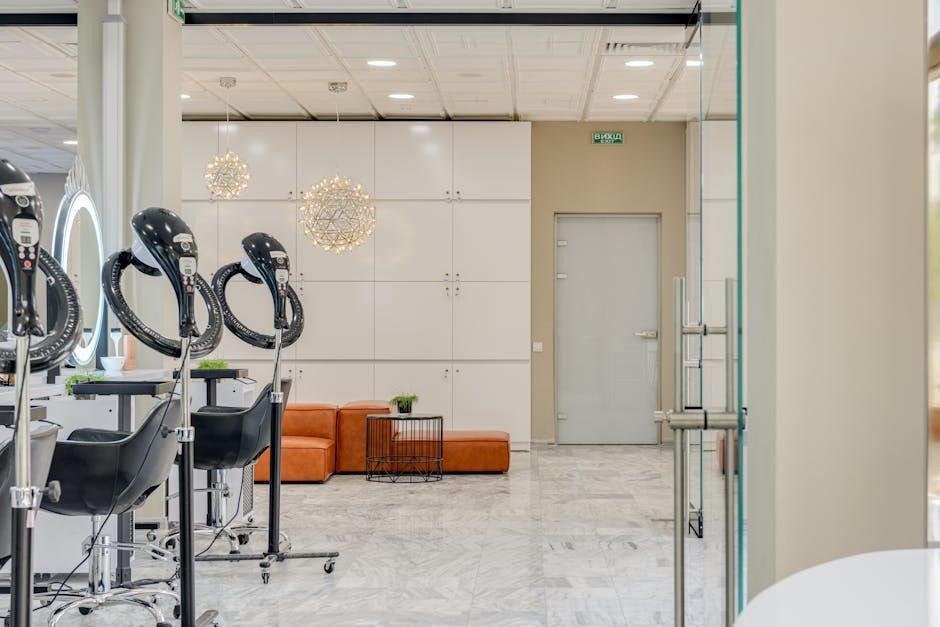
Policies regarding walk-ins‚ cancellations‚ and no-shows should be addressed. Clarifying client ownership prevents disputes‚ ensuring renters retain control over their established customer base. A well-defined system fosters a smooth and professional client experience.
B. Use of Salon Equipment and Facilities
The lease must detail equipment access. Specify which salon equipment – chairs‚ sinks‚ dryers – booth renters can utilize‚ and if any usage fees apply. Clearly define maintenance responsibilities for both shared and renter-provided equipment.
Access to common areas like restrooms‚ break rooms‚ and reception areas should be outlined. Restrictions on equipment modifications or personal additions are vital. Policies regarding cleaning and sanitation of shared facilities ensure a hygienic environment for everyone.
X. Termination of the Agreement
Clearly defined termination clauses are crucial. The agreement should outline conditions allowing either party to end the lease – breach of contract‚ non-payment‚ or other specified reasons. Specify the required notice period for termination‚ typically 30-60 days‚ protecting both lessor and lessee.
Address consequences of early termination‚ such as potential penalties or forfeiture of deposits. Detail procedures for removing personal property upon lease end. Consider including a clause for mediation before resorting to legal action in case of disputes.
A. Conditions for Termination by Either Party
Specific grounds for termination must be explicitly stated. The salon owner (lessor) may terminate due to consistent policy violations‚ failure to maintain a professional appearance‚ or non-payment of rent. The booth renter (lessee) can terminate if the salon fails to provide agreed-upon utilities or maintain a safe working environment.
Breach of contract by either party is a common termination condition. Illegal activities conducted on the premises also warrant immediate termination. Clearly define “material breach” to avoid ambiguity and potential disputes.
B. Notice Requirements for Termination
A written notice is crucial for any termination. Typically‚ 30-60 days’ notice is required from either the lessor or lessee‚ though the agreement should specify the exact timeframe. The notice must detail the reason for termination and be delivered via certified mail or another trackable method‚ ensuring proof of receipt.
Failure to provide adequate notice may result in financial penalties. Specify the address for delivering termination notices within the agreement. Consider including a clause addressing early termination fees or procedures for finding a replacement renter.
XI. California Specific Considerations
California’s legal landscape for booth rentals is complex. Agreements must adhere to specific labor laws‚ classifying renters correctly – as independent contractors‚ not employees. Misclassification can lead to significant penalties.
Detailing control and independence is vital. The agreement should clearly state the renter controls their schedule‚ pricing‚ and client base. California requires specific disclosures regarding business licenses and tax responsibilities. Templates tailored to California law‚ like those from Mangomint‚ are highly recommended to ensure compliance.
XII. Utilizing Signing Bonuses
Signing bonuses can incentivize booth renters‚ particularly in competitive markets. Clearly define the bonus amount and any associated conditions within the lease agreement. Consider structuring it as a rent credit over the initial months‚ rather than a lump sum.
Specify repayment obligations if the renter terminates the lease early. California examples demonstrate this tactic‚ boosting occupancy and attracting skilled professionals. Document the bonus as income for the renter and a business expense for the salon owner‚ ensuring proper tax reporting.
XIII. Required Information in the Agreement
A comprehensive booth rental agreement must include key details. Essential elements are the names of both parties – lessor and lessee – and the salon’s complete address. Clearly state the lease duration‚ including start and end dates‚ alongside the monthly rental amount and payment schedule.
Outline responsibilities for both parties‚ covering utilities‚ maintenance‚ and insurance. Specific salon policies and rules regarding client management and equipment use are crucial. pdfFiller emphasizes including these details for a legally sound and transparent agreement.
XIV. Editing and Customization of Templates
While templates offer a strong foundation‚ customization is vital. pdfFiller highlights the ease of editing templates with its Text Tool‚ allowing adjustments to suit specific needs. Ensure all clauses accurately reflect the agreed-upon terms between the salon owner and booth renter.
Consider adding specific rules regarding product sales‚ marketing‚ or client referrals. FreeDownloads.net emphasizes tailoring sections like address‚ square footage‚ and rental amounts. Always review the customized document thoroughly before signing to guarantee clarity and avoid future disputes.
XV. Free Downloadable Templates (PDF‚ RTF‚ Word)
Numerous online resources offer free templates to streamline the lease agreement process. FreeDownloads.net provides options in PDF‚ RTF‚ and Word formats‚ catering to diverse user preferences. pdfFiller also offers readily available templates for immediate download and online editing.
These templates typically include essential sections covering rent‚ term‚ and rules. However‚ remember that free templates may require customization to align with specific state laws‚ like those in California‚ and individual salon policies. Always prioritize a thorough review before use.
XVI. AI Lawyer Generated Templates
Emerging AI legal tools now offer salon booth rental agreement templates. Deposit Template by AI Lawyer is one example‚ providing a starting point for lease creation. These AI-driven templates aim to offer legally sound documents‚ potentially saving on traditional legal fees.
However‚ it’s crucial to understand that AI-generated templates are not a substitute for personalized legal advice. Carefully review the document‚ ensuring it accurately reflects your specific circumstances and complies with all applicable local and state regulations‚ especially in complex areas like California law.
XVII. Importance of Legal Review
Despite readily available templates‚ including AI-generated options‚ legal review is paramount. A qualified attorney specializing in contract law can ensure the agreement protects your interests. They can identify potential loopholes or ambiguities that could lead to disputes.
Especially in states like California with complex regulations‚ professional legal counsel is invaluable. Reviewing the document guarantees compliance with local laws and safeguards against future liabilities. Don’t risk costly legal battles – invest in a professional review for peace of mind and a solid agreement.
XVIII. Addressing Disputes and Resolution
A well-defined dispute resolution process is crucial within the booth rental agreement. Consider including a mediation clause‚ requiring both parties to attempt resolution through a neutral third party before pursuing legal action. Clearly outline procedures for addressing issues like unpaid rent‚ policy violations‚ or damage to property.
Specify a governing law and jurisdiction for potential lawsuits. Detailed documentation of all communications and actions is vital. Proactive communication and a willingness to compromise can often prevent minor disagreements from escalating into costly legal disputes‚ fostering a positive working relationship.
XIX. Governing Law and Jurisdiction
The lease agreement must specify which state’s laws govern its interpretation and enforcement. For example‚ California agreements will reference California law due to its unique regulations regarding booth rentals. Jurisdiction dictates the specific court where disputes will be resolved – typically the county where the salon is located.
This clause prevents ambiguity and ensures both parties understand the legal framework. Clearly stating governing law and jurisdiction streamlines potential legal proceedings. Consulting with legal counsel is recommended to ensure compliance with all applicable state and local laws‚ avoiding future complications.
XX. Signatures and Dates
The Salon Booth Rental Lease Agreement isn’t legally binding without proper signatures and dates. Both the Lessor (Salon Owner) and the Lessee (Booth Renter) must sign and date the document‚ signifying their agreement to all terms. Digital signatures are often acceptable‚ but ensure they comply with relevant e-signature laws.
Include a signature block for each party‚ clearly indicating their printed name and title. Dating the agreement establishes the effective start date of the lease. Retain copies of the fully signed agreement for your records – a PDF format is ideal for secure storage and easy access.
XXI. Addendums and Amendments
Salon booth rental agreements aren’t always static; changes may be needed. Addendums are used to add provisions not originally included‚ while amendments modify existing clauses. Always document these changes in writing‚ clearly referencing the original agreement.
Both Lessor and Lessee must agree and sign any addendums or amendments‚ dating them accordingly. Maintain these alongside the original lease for a complete record. Consider consulting legal counsel when making significant changes to ensure continued enforceability and compliance.