
Inner Child Healing Exercises: A Comprehensive Guide
Josie’s guidance unlocks potent exercises, mirroring her personal journey, offering listeners a pathway to profound healing and self-discovery through dedicated practice.
Understanding the Inner Child
Delving into the concept of the inner child requires acknowledging that within each of us resides a younger version of ourselves, holding memories, emotions, and experiences from childhood. This isn’t about literal regression, but recognizing the enduring impact of early life on our present-day selves.
These formative years shape our beliefs, attachment styles, and emotional responses. Often, unmet needs or painful experiences during childhood become imprinted, influencing how we navigate relationships, handle stress, and perceive the world. Josie’s approach, as highlighted in resources, emphasizes compassionate exploration of these early imprints.
Understanding the inner child isn’t about blaming the past, but gaining insight into present patterns. It’s about recognizing the vulnerable, authentic self that may have been suppressed or wounded. This awareness is the crucial first step towards healing and fostering a more integrated, whole self, paving the way for effective exercises.
What is the Inner Child?
The inner child represents the childlike aspects within us – our innocence, creativity, vulnerability, and capacity for joy. It embodies the memories, feelings, and sensations experienced during childhood, both positive and negative. It’s not a separate entity, but a part of our psyche that continues to influence our thoughts, behaviors, and emotions.
Resources, like those Josie references, often describe the inner child as holding onto the emotional state of when those experiences originally occurred. This means past hurts can feel incredibly present, impacting current relationships and self-perception. Recognizing this allows for compassionate self-understanding.
Essentially, the inner child is the core of our being, untainted by societal conditioning or adult responsibilities. Connecting with it allows us to access authenticity, spontaneity, and a deeper sense of self-worth. Healing the inner child isn’t about becoming childlike, but integrating this essential part of ourselves into a healthy, balanced whole.
Why Inner Child Healing is Important
Healing your inner child is crucial for emotional well-being and overall life satisfaction. Unresolved childhood experiences can manifest as limiting beliefs, unhealthy patterns, and emotional blocks in adulthood. Josie’s work highlights the power of addressing these foundational wounds.
Neglecting the inner child often leads to difficulties with self-esteem, relationships, and emotional regulation. It can contribute to anxiety, depression, and a persistent feeling of emptiness. By nurturing this inner aspect, we can break free from these cycles.
Inner child work fosters self-compassion, allowing us to treat ourselves with the kindness and understanding we deserved as children. It unlocks creativity, enhances resilience, and promotes a greater sense of wholeness. Ultimately, healing the inner child is about reclaiming your authentic self and living a more fulfilling life.
Common Signs of an Unhealed Inner Child
Recognizing the signs of an unhealed inner child is the first step towards healing. These manifestations often appear as emotional reactivity, difficulty setting boundaries, and a persistent need for external validation. Josie’s guidance emphasizes self-awareness as key.
Common indicators include frequent feelings of shame, guilt, or worthlessness, alongside a tendency towards perfectionism or self-sabotage. Individuals may struggle with intimacy, fearing rejection or abandonment. There might be a strong inner critic, constantly putting oneself down.
Other signs involve difficulty expressing emotions, a tendency to people-please, and a longing for a “rescue” figure. Flashbacks to childhood experiences, nightmares, or unexplained emotional outbursts can also signal unresolved trauma. Identifying these patterns allows for targeted healing work.

Core Inner Child Healing Exercises
These foundational practices gently nurture your inner child, fostering self-compassion and emotional safety through focused techniques and mindful engagement with past experiences.
Letter Writing to Your Inner Child
This powerful exercise involves crafting a letter directly to the younger version of yourself. Imagine your inner child as if they are sitting right in front of you, needing your comfort and understanding.
Begin by acknowledging their pain, validating their feelings, and offering the love and acceptance they may not have received during childhood. Don’t censor yourself; allow emotions to flow freely onto the page.
Specifically address past hurts, offering reassurance and promising to protect them now. Express empathy for their experiences and let them know they are not alone;
You can also write a letter from your inner child to your present self, expressing their needs and desires. This two-way communication fosters deeper self-awareness and healing. Consider revisiting these letters periodically to track your progress and reinforce the connection.
Creating a Safe Space Visualization
This exercise centers on building an internal sanctuary where your inner child feels completely secure and protected. Find a quiet, comfortable space where you won’t be disturbed. Close your eyes and begin to visualize a place that evokes feelings of peace, safety, and joy.
It could be a real place from your past, a fictional location, or a completely imagined environment. Fill this space with comforting details – soft lighting, gentle sounds, pleasant scents, and anything else that promotes relaxation.
Imagine your inner child entering this space. Observe them, offering silent reassurance and unconditional love. Allow them to explore and play freely, knowing they are completely safe from harm.
Regularly revisiting this safe space allows your inner child to retreat and recharge, fostering emotional resilience and a sense of inner peace. This visualization is a cornerstone of inner child work.
The “Reparenting” Exercise
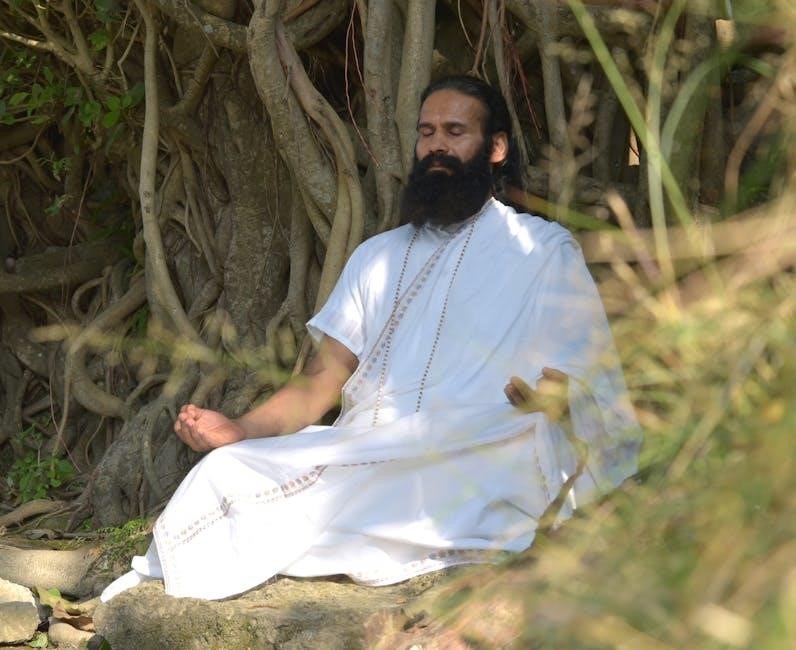
This powerful technique involves consciously providing the nurturing and validation your inner child may have lacked. Begin by identifying a specific childhood wound or unmet need. Then, imagine yourself as the loving, supportive parent your inner child deserved.
Speak to your inner child with compassion and understanding. Offer words of encouragement, acceptance, and reassurance. Validate their feelings, even the difficult ones. Tell them it’s okay to be vulnerable, to make mistakes, and to ask for help.
Actively listen to your inner child’s needs and respond with empathy. Provide the boundaries, guidance, and affection they craved. This isn’t about fixing the past, but about offering the healing presence they needed then, and still need now.
Reparenting is a continuous process, requiring patience and self-compassion.
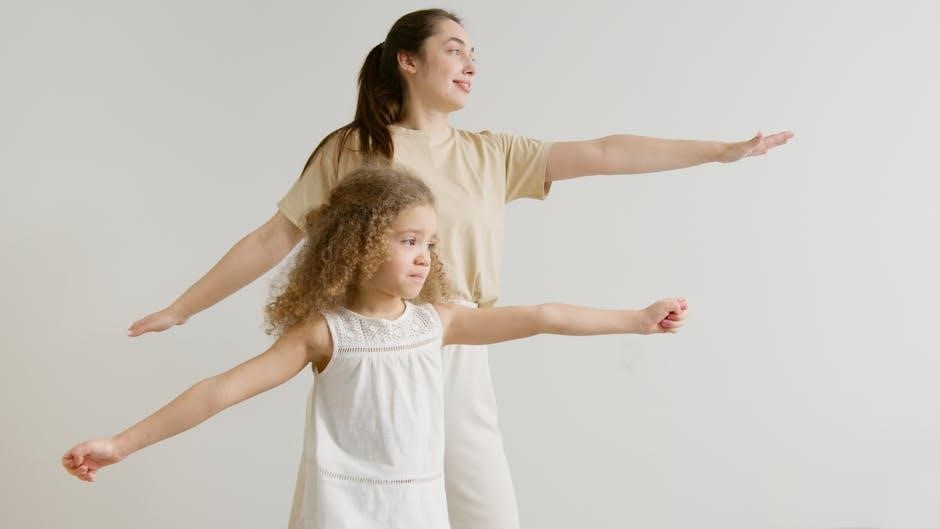
Dialogue with Your Inner Child
Engage in direct conversation with the younger version of yourself. Find a quiet space and close your eyes, visualizing your inner child – their age, appearance, and emotional state. Then, simply begin to talk to them, and more importantly, listen.
Ask them how they are feeling, what they need, and what they wish they had experienced. Allow them to express themselves freely, without judgment or interruption. Respond with empathy and understanding, validating their emotions and experiences.
This isn’t about analyzing or fixing; it’s about creating a safe space for connection and communication. You might be surprised by what your inner child reveals. Be open to receiving their wisdom and guidance.
Regular dialogue fosters self-awareness and deepens the healing process.

Advanced Techniques & Exercises

Delve deeper into healing with specialized methods, building upon foundational exercises for transformative growth and lasting emotional well-being, unlocking inner peace.
Inner Child Meditation
Guided meditation offers a powerful avenue for connecting with your inner child, fostering a sense of safety and unconditional love. Begin by finding a quiet, comfortable space where you won’t be disturbed. Close your eyes and take several deep, calming breaths, focusing on the sensation of your breath entering and leaving your body.
Visualize yourself as a child, perhaps at a specific age that feels significant. Observe this child with compassion and without judgment. Notice their emotions, their needs, and their vulnerabilities. Imagine extending a warm, loving embrace to this younger version of yourself.
Speak to your inner child with gentle words of reassurance and acceptance. Tell them that they are loved, safe, and worthy. Allow yourself to feel the emotions that arise, whether they are sadness, anger, or joy. Simply acknowledge them without trying to change them. Continue this practice for 10-15 minutes, allowing yourself to fully connect with and nurture your inner child.
Using Affirmations for Inner Child Healing
Affirmations are positive statements that can help to reprogram limiting beliefs and foster self-compassion, directly addressing the needs of your inner child. Craft affirmations that speak directly to the wounded parts of yourself, offering reassurance and validation. Examples include: “I am safe and loved,” “I am worthy of happiness,” and “I am allowed to express my feelings.”
Repeat these affirmations daily, ideally in front of a mirror, making eye contact with yourself. Feel the emotions associated with the words as you say them. Visualize your inner child hearing and absorbing these affirmations, experiencing a sense of peace and acceptance.
Consistency is key. Incorporate affirmations into your morning routine, before bed, or whenever you feel triggered or overwhelmed. Over time, these positive statements will help to heal emotional wounds and cultivate a stronger, more loving relationship with your inner child.
Creative Expression: Art & Play Therapy
Unleashing your creativity provides a safe and non-judgmental outlet for your inner child to express emotions that may be difficult to articulate verbally. Engage in activities like painting, drawing, sculpting, or coloring – focus on the process, not the outcome. Allow yourself to play freely, without self-criticism.
Play therapy, even as an adult, can be incredibly healing. Build with LEGOs, play with clay, or engage in imaginative games. These activities tap into the joy and spontaneity of childhood, allowing you to reconnect with your inner child’s playful energy.
Don’t worry about artistic skill; the goal is self-expression. Notice the colors, shapes, and themes that emerge, as they may offer insights into your inner world and unresolved emotions.
Journaling Prompts for Inner Child Work
Journaling serves as a powerful tool for connecting with and understanding your inner child. Begin by creating a safe and private space for writing. Consider these prompts to initiate deeper exploration:
“What did I need as a child that I didn’t receive?” “What messages did I internalize about my worth?” “If my inner child could speak, what would they say to me now?” “What activities brought me joy as a child, and how can I reintroduce them into my life?”
Write letters to your inner child, offering comfort, validation, and reassurance. Also, write as your inner child, expressing their feelings and needs. Regular journaling allows you to track your progress and identify recurring patterns. Be patient and compassionate with yourself throughout this process.

Integrating Inner Child Work into Daily Life
Consistent application of healing, like Josie’s exercises, transforms daily interactions, fostering self-compassion and mindful responses to triggers and emotional challenges.
Setting Boundaries with Compassion
Establishing healthy boundaries is crucial for nurturing your inner child, offering the safety and respect it deserved but perhaps didn’t receive. This isn’t about rigidity, but about lovingly protecting your emotional well-being. Think of it as creating a secure container for your vulnerable self.
Josie’s approach, as highlighted in resources like inner child healing exercises PDFs, emphasizes communicating needs gently yet firmly. Practice saying “no” without guilt, recognizing that honoring your limits isn’t selfish; it’s self-preservation.
Visualize offering your inner child the boundaries they needed as a child – shielding them from harm, validating their feelings, and ensuring their needs are met. This compassionate boundary-setting allows you to reparent yourself, fostering a sense of safety and self-worth that permeates all areas of your life. It’s about creating a loving and protective environment, both internally and externally.
Self-Soothing Techniques
Your inner child craves comfort and reassurance, especially when triggered. Developing self-soothing techniques provides that immediate support, mimicking the nurturing you may have lacked. These aren’t distractions, but genuine acts of self-compassion, offering a safe harbor during emotional storms.
Resources, including inner child healing exercises PDFs, often suggest simple yet powerful practices. These include gentle touch – like holding your own hand or wrapping yourself in a blanket – mindful breathing exercises, and engaging your senses with calming stimuli like soft music or aromatherapy.
Imagine what would have comforted your inner child during moments of distress. Offer yourself those same gestures of kindness and understanding. This conscious act of self-soothing rewires your nervous system, fostering emotional resilience and a deeper connection to your vulnerable self. It’s about becoming the loving parent you always deserved.
Identifying and Challenging Inner Critic
The inner critic often echoes harsh messages from the past, stemming from parental figures or societal expectations. It’s a protective mechanism gone awry, attempting to prevent future pain by focusing on perceived flaws. Recognizing this voice as separate from your true self is the first crucial step.
Inner child healing exercises PDFs frequently include prompts to identify the origins of your inner critic. What specific messages did you receive as a child? How do those messages manifest today? Once identified, challenge these beliefs with compassion and logic.
Reframe critical thoughts into more supportive and realistic statements. Instead of “I’m a failure,” try “I made a mistake, and I can learn from it.” Treat yourself with the same kindness and understanding you would offer a beloved child. This rewiring process diminishes the critic’s power.

Forgiveness Practices for Yourself and Others
Forgiveness is paramount in inner child work, releasing the emotional burdens that hinder healing. This isn’t about condoning past actions, but freeing yourself from their grip. Often, the inner child carries immense guilt and shame, needing self-compassion above all else.
Inner child healing exercises PDFs often guide you through letter-writing exercises – writing to those who harmed you, expressing your pain, and ultimately, offering forgiveness (even if only to yourself). This process can be profoundly cathartic.
Self-forgiveness is equally vital. Acknowledge your own imperfections and mistakes with kindness. Understand that your inner child acted from a place of vulnerability and survival. Practices like Ho’oponopono, a Hawaiian forgiveness ritual, can be incredibly powerful in releasing resentment and fostering inner peace.

Resources & Further Exploration
Numerous PDFs offer guided exercises, while online courses and workshops provide structured support for deeper exploration of inner child healing techniques.
Recommended Books on Inner Child Healing
Delving into literature can significantly enhance your understanding and provide practical tools for inner child work. While a specific “inner child healing exercises PDF” isn’t a book, many texts contain exercises adaptable for personal use.
“The Body Keeps the Score” by Bessel van der Kolk explores trauma’s impact, crucial for understanding the roots of inner child wounds. “Healing Your Inner Child” by Cathy Malchiodi offers creative and expressive therapies.
“Homecoming” by John Bradshaw is a classic, detailing the journey of reclaiming lost parts of the self. “Adult Children of Emotionally Immature Parents” by Lindsay Gibson provides insight into navigating relationships shaped by childhood experiences.
Look for workbooks accompanying these titles, often including exercises to facilitate self-reflection and healing. Remember to supplement reading with practical application for optimal results.
Online Courses and Workshops

Numerous online platforms offer structured learning for inner child healing, often including downloadable exercises – a digital equivalent to an “inner child healing exercises PDF”. These resources provide guided support and community interaction.
Udemy and Coursera host various courses, ranging from introductory overviews to in-depth explorations of specific techniques. Insight Timer offers guided meditations and workshops focused on self-compassion and inner child connection.
Look for workshops led by certified therapists specializing in inner child work. These often include live Q&A sessions and personalized feedback. Websites like Eventbrite frequently list relevant workshops.
Consider platforms offering certificate programs for a more comprehensive learning experience. Remember to research the instructor’s credentials and read reviews before enrolling.
Finding a Therapist Specializing in Inner Child Work
Seeking professional guidance can significantly enhance your inner child healing journey, especially when navigating complex emotions. A therapist trained in this area can provide personalized support and facilitate deeper healing, often incorporating “inner child healing exercises PDF” materials as homework.
Psychology Today’s therapist directory allows you to filter by specialization, including “inner child” or “trauma-informed care”. GoodTherapy.org is another valuable resource for finding qualified therapists.
Look for therapists with experience in attachment theory, as this framework is closely linked to inner child work. Consider therapists offering EMDR (Eye Movement Desensitization and Reprocessing) or Somatic Experiencing, as these modalities can be effective in processing past trauma.
Don’t hesitate to schedule initial consultations with several therapists to find someone you feel comfortable and safe with.
Free PDF Resources for Inner Child Exercises
Numerous online resources offer free “inner child healing exercises PDF” downloads to support your self-guided exploration. These can be a fantastic starting point, providing structured activities and prompts for reflection.
Websites like PositivePsychology.com frequently offer downloadable worksheets and exercises focused on self-compassion and inner child work; Therapist Aid provides a range of free mental health resources, including some relevant to inner child healing.
Search on Pinterest for “inner child exercises PDF” to discover a curated collection of visual guides and printable worksheets. Be mindful of the source and ensure the materials are created by qualified professionals.
Remember that these PDFs are supplementary and shouldn’t replace professional therapy if you’re dealing with significant trauma or emotional distress. Use them as tools to enhance your self-awareness and healing process.