Hills Security System User Manual: A Comprehensive Guide
Welcome! This manual details the Hills Security System‚ covering installation‚ operation‚ troubleshooting‚ and advanced features for optimal home protection․
Explore guides for the Home Hub‚ Vertex keypad‚ and Voice Nav keypad‚ ensuring a secure and user-friendly experience․
Congratulations on choosing the Hills Security System‚ a leading provider of home and business security solutions․ This system is designed to offer comprehensive protection‚ utilizing cutting-edge technology and a user-friendly interface․ The Hills Home Hub serves as the central control point‚ seamlessly integrating various security components for a robust defense against potential threats․
This manual provides a detailed guide to understanding and operating your Hills Security System effectively․ Whether you’re a new user or seeking to optimize your system’s performance‚ this resource will equip you with the knowledge needed to ensure your peace of mind․ From initial setup and daily operation to advanced customization and troubleshooting‚ we’ve covered every aspect to empower you with complete control over your security․
Explore the features and functionalities designed to safeguard your property and loved ones․
System Components Overview
The Hills Security System comprises several key components working in harmony to deliver robust protection․ Central to the system is the Hills Home Hub‚ the brains of the operation‚ managing all connected devices․ Code Pads‚ like the Vertex and Voice Nav models‚ provide user interaction for arming‚ disarming‚ and system control․
Door and Window Sensors detect unauthorized entry‚ while Motion Detectors cover larger areas․ Sirens alert you and deter intruders․ Optional components include CCTV cameras for visual monitoring and Smoke Detectors for fire safety․ These components communicate wirelessly or via wired connections to the Home Hub‚ creating a unified security network․
Understanding each component’s function is crucial for effective system management and optimal performance․ Proper placement and configuration of these elements maximize the system’s protective capabilities․
Hills Home Hub: Core Functionality
The Hills Home Hub serves as the central control point for your security system‚ offering a range of essential functionalities․ It facilitates seamless communication between all connected devices – sensors‚ keypads‚ and sirens – ensuring a coordinated response to security events․
The Hub enables remote system control via a smartphone app‚ allowing you to arm/disarm‚ receive alerts‚ and view system status from anywhere with an internet connection․ It supports multiple user codes‚ granting personalized access and control․
Furthermore‚ the Home Hub provides event logging‚ recording system activity for review․ It also integrates with optional monitoring services for professional 24/7 protection․ Its online service and web shop access enhance user experience․
Understanding the Control Panel
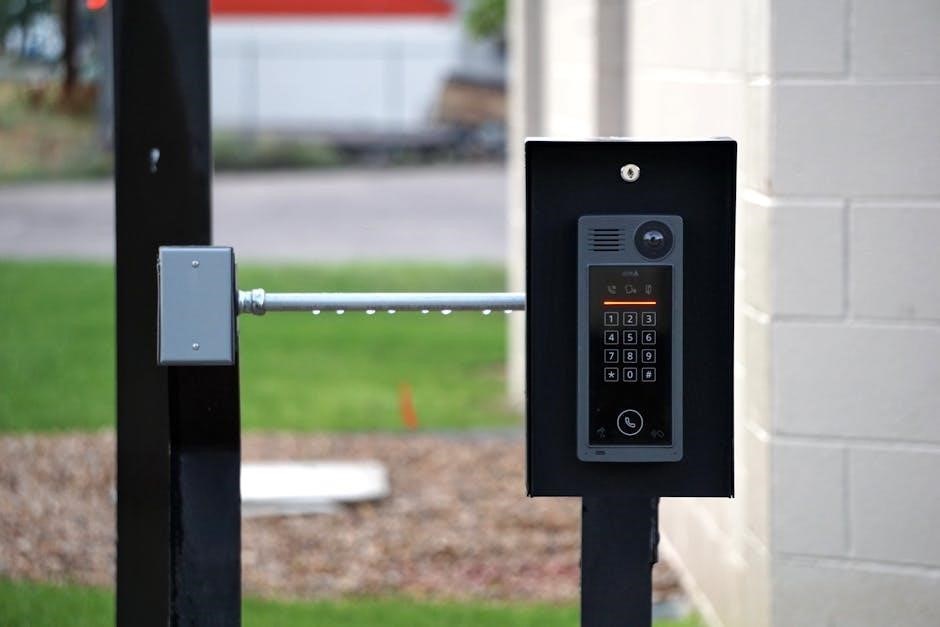
The Hills control panel‚ often featuring an LED code pad‚ is your primary interface for interacting with the security system․ It allows for arming‚ disarming‚ and programming system settings directly․ Familiarize yourself with the layout‚ including the numeric keypad for code entry and dedicated function keys․
The panel displays system status through various lights and indicators‚ providing immediate feedback on arming status‚ zone faults‚ and system errors․ Understanding these visual cues is crucial for effective operation․
Refer to the detailed code pad diagrams within this manual to identify each button’s function․ A comprehensive glossary of terms clarifies the meaning of displayed messages and system prompts‚ ensuring clear communication․
Code Pad Diagrams & Features
Refer to Figure 1 for a detailed illustration of the Hills DAS LED Code Pad․ Key features include the numeric keypad (0-9) for code entry‚ the ‘Enter’ button to confirm selections‚ and the ‘Cancel’ button to abort operations․
The ‘Arm’ button initiates the arming sequence‚ while the ‘Stay’ button activates partial arming․ Dedicated zone bypass buttons allow temporary exclusion of specific sensors․ LED indicators display system status: Armed‚ Disarmed‚ Fault‚ and Memory․
The control panel also features audible feedback through code pad control tones‚ signaling successful entry‚ errors‚ and system events․ Understanding these diagrams and features is essential for efficient system control and troubleshooting․
(See page 2 of the Securus document for the diagram)
Glossary of Terms
Arming: The process of activating the security system‚ preparing it to detect intrusions․ Bypass: Temporarily deactivating a specific zone or sensor‚ preventing it from triggering an alarm․ Code Pad: The primary interface for controlling the security system‚ featuring a keypad and display․
Disarming: Deactivating the security system‚ typically requiring a valid user code․ Fault: An issue detected by the system‚ such as an open door or low battery․ Memory: A feature that stores recent alarm events for review․
Partial Arming (Stay Mode): Arming the perimeter sensors while allowing movement inside the premises․ Zone: A specific area or sensor protected by the security system․ Installer Code: A master code used for system programming and configuration․
(Refer to page 4 of the Securus document for further definitions․)
System Operation Modes
The Hills Security System offers versatile operation modes to suit your needs․ Fully Arming (On Mode) activates all sensors‚ ideal when leaving the premises unoccupied․ Quick Arm Mode provides a faster arming process‚ prioritizing speed․
Partially Arming (Partial Mode or Stay Mode) secures perimeter doors and windows while allowing free movement inside – perfect for nighttime security․ Each mode offers distinct protection levels․
Understanding these modes is crucial for effective system use․ Proper selection ensures optimal security without unnecessary disruptions․ Refer to the following sections for detailed instructions on activating and deactivating each mode․ Remember to consult your installer regarding programmed features․
(See pages 7 & 8 of the Securus document for specific mode details․)
Fully Arming the System – On Mode
To fully arm the system (On Mode)‚ enter your valid user code followed by the arming key – typically the ‘1’ key – on the keypad․ The system will initiate a countdown‚ providing an exit delay․ Ensure all doors and windows are securely closed before the countdown ends․
During the exit delay‚ the system is preparing to arm․ If a door or window is opened during this time‚ the delay will be extended‚ or the alarm may trigger․ Once the countdown completes‚ the system is fully armed‚ and all zones are active․
(Refer to the Securus DAS LED Code Pad User Manual‚ page 7‚ for detailed instructions․)
Fully Arming the System – Quick Arm Mode
Quick Arm Mode provides a faster arming process‚ ideal when you’re in a hurry․ To activate‚ press and hold the arming key – often the ‘1’ key – for a specified duration‚ usually two seconds․ This bypasses the standard exit delay countdown․
However‚ be absolutely certain all entry/exit points are secured before initiating Quick Arm․ The system arms immediately‚ and any open zones will instantly trigger an alarm․ This mode is best suited for situations where you are confident in the security of your premises․
(Refer to the Securus DAS LED Code Pad User Manual‚ page 7‚ for detailed instructions․)
Partially Arming the System – Partial Mode
Partial Mode allows you to arm specific zones while leaving others unprotected‚ typically for when you are at home․ This is useful for securing perimeter doors and windows overnight while allowing movement within the house․
To activate Partial Mode‚ enter your user code followed by the designated partial arm key – often the ‘2’ key – on the keypad․ The system will then arm only the zones programmed for partial arming․ Ensure you understand which zones are active in this mode to avoid accidental alarms․
(Consult the Securus DAS LED Code Pad User Manual‚ page 8‚ for specific programming details and zone configurations․)
Disarming the System
Disarming your Hills Security System is crucial when entering or exiting a secured premise․ This process deactivates the alarm and prevents unwanted activation․ To disarm‚ simply enter your valid user code on the control panel keypad․ A successful disarm will be indicated by a change in the system’s status lights and audible tones․
The disarming procedure differs slightly depending on whether the system is armed in ‘On’ mode (fully armed) or ‘Partial’ mode․ Always disarm promptly upon entry to avoid triggering the alarm; (Refer to the Securus DAS LED Code Pad User Manual‚ page 8‚ for detailed instructions on disarming from each mode․)
Disarming from On Mode
Disarming from ‘On’ Mode‚ representing full system arming‚ requires immediate attention upon entry․ Enter your programmed four-digit user code via the keypad․ The system will process the code and‚ if valid‚ will immediately cease monitoring all zones․ A distinct audible tone confirms successful disarming‚ and the system status light will change to reflect the disarmed state․
(Refer to the Securus DAS LED Code Pad User Manual‚ page 8)․ Ensure all occupants are aware of the correct disarming procedure․ Failure to disarm correctly within the allotted timeframe will result in the alarm sounding․ Remember to test the disarming process periodically to ensure functionality․
Disarming from Partial Mode
Disarming from ‘Partial’ Mode‚ typically used when occupants are inside‚ also requires entering your valid four-digit user code on the keypad․ However‚ unlike ‘On’ Mode‚ disarming in ‘Partial’ Mode only deactivates the perimeter zones – doors and windows – leaving interior zones still monitored․ This provides a layer of security while allowing movement within the premises․
(Refer to the Securus DAS LED Code Pad User Manual‚ page 8)․ A specific tone will indicate successful disarming from ‘Partial’ Mode․ Verify the system status light reflects the updated state․ Familiarize yourself with which zones are active in ‘Partial’ Mode to avoid accidental alarms․
Zone Management
Zone Management allows customization of your Hills Security System‚ enhancing its effectiveness and minimizing false alarms․ The system divides your property into zones – individual sensors or groups of sensors – like doors‚ windows‚ or motion detectors․ Understanding zone functionality is crucial for tailored security․
You can bypass individual zones‚ temporarily disabling them from triggering an alarm – useful for pets or open windows․ (See Securus DAS LED Code Pad User Manual‚ page 9)․ Group Bypass functionality allows disabling multiple zones simultaneously․ Proper zone configuration‚ alongside regular testing‚ ensures optimal system performance and responsiveness to genuine threats․ Consult your installer for advanced zone programming options․
Bypassing Individual Zones
Bypassing individual zones is a valuable feature when a sensor needs temporary deactivation without disarming the entire system․ This is particularly useful if a window is left open‚ a pet is roaming freely‚ or a sensor is undergoing maintenance․ (Refer to Securus DAS LED Code Pad User Manual‚ page 9)․
To bypass a zone‚ access the system settings via the control panel and select the specific zone you wish to disable․ The bypassed zone will be excluded from alarm triggering until re-enabled․ Remember to re-activate zones promptly after the temporary condition resolves to maintain full security coverage․ Always consult your installer for specific instructions tailored to your system configuration․
Group Bypass Functionality
Group Bypass allows for the simultaneous deactivation of multiple zones‚ streamlining the process when several sensors require temporary disabling․ This feature is ideal for scenarios like allowing workers access to specific areas or temporarily excluding a section of the house during renovations․ (Refer to Securus DAS LED Code Pad User Manual‚ page 10)․
Access the group bypass function through the control panel’s settings menu․ Select the pre-defined zone groups or create custom groups as needed․ Remember that bypassing a group compromises the security of all zones within that group․ Always re-enable groups promptly to restore complete system protection․ Consult your installer for customized group configurations․
Understanding System Lights & Indicators
System lights provide crucial feedback on the security system’s status․ The control panel’s LED indicators display arming modes‚ zone status‚ and potential faults․ (Refer to Securus DAS LED Code Pad User Manual‚ page 5)․ A steady light often signifies normal operation‚ while flashing lights indicate activity or an issue requiring attention․
Familiarize yourself with the specific meanings of each light – for example‚ a red light might signal an alarm‚ while a green light confirms successful arming․ The manual details each indicator’s function․ Understanding these visual cues allows for quick assessment of the system’s health and prompt response to any security events․
Code Pad Light Meanings
The Hills Series LED Code Pad utilizes distinct light patterns to communicate system status․ (Securus DAS LED Code Pad User Manual‚ page 5)․ A consistently illuminated “Armed” light confirms the system is fully secured․ A flashing “Ready” light indicates the system is prepared for arming‚ awaiting user input․
A rapidly flashing “Alarm” light signifies an active alarm event‚ demanding immediate attention․ A lit “Trouble” indicator signals a system fault‚ such as a sensor issue or low battery․ The “Bypass” light illuminates when zones are intentionally bypassed․ Refer to the manual for a comprehensive table detailing each light’s specific meaning and corresponding action required․
System Sounds & Tones
The Hills security system employs a series of audible tones and sounds to provide feedback on system operation․ (Securus DAS LED Code Pad User Manual‚ page 6)․ A single beep confirms successful key presses during code entry; Three beeps indicate a system error or fault requiring attention․
A distinct warbling siren signals an active alarm event‚ alerting occupants and potentially deterring intruders․ Different tones differentiate between entry/exit delays and alarm triggers․ The system also provides audible confirmation upon arming and disarming․ Understanding these Code Pad Control Tones is crucial for effective system management and responding appropriately to alerts․
Code Pad Control Tones Explained
The Hills DAS LED Code Pad utilizes specific tones for user feedback․ (Securus DAS LED Code Pad User Manual‚ page 6)․ A single beep confirms each valid key press during code entry‚ assuring accurate input․ Three beeps signify a system error‚ prompting immediate investigation or contacting support․
A continuous tone during arming/disarming indicates the process is underway․ A rapid series of beeps signals a zone fault or tamper․ Familiarizing yourself with these Code Pad Control Tones allows for quick identification of system status and potential issues․ These audible cues are vital for efficient operation and prompt response to security events‚ ensuring peace of mind․
Programming & Customization
Personalizing your Hills Security System is crucial for optimal performance․ The system allows for changing user codes‚ enhancing security and controlling access․ (Securus DAS LED Code Pad User Manual)․ This customization ensures only authorized individuals can arm or disarm the system․
Consult your installer for advanced programming options‚ including zone naming and sensitivity adjustments․ These settings tailor the system to your specific needs and property layout․ Regularly updating user codes is recommended to maintain a high level of security․ Remember to document all changes for future reference․ Proper programming maximizes the system’s effectiveness and provides a secure environment․
Changing User Codes
Protecting your system begins with secure user codes․ To change user codes‚ access the programming menu via the control panel․ (Securus DAS LED Code Pad User Manual)․ You’ll typically need the master code for initial access․ Follow the on-screen prompts to enter a new‚ unique code․
Avoid easily guessable codes like birthdays or addresses․ A strong code consists of a random sequence of numbers․ After entering the new code‚ confirm it to ensure accuracy․ Regularly updating codes‚ especially after personnel changes‚ is vital․ Document all code changes securely․ Remember‚ a compromised code weakens your entire security system․ Prioritize strong‚ frequently updated codes for maximum protection․
Troubleshooting Common Issues
Encountering problems? This section addresses frequent issues․ If your system isn’t arming‚ verify all zones are secure – doors and windows closed․ Check for open zone indicators on the control panel․ (Securus DAS LED Code Pad User Manual)․ For false alarms‚ ensure proper sensor sensitivity and avoid placing detectors near heat sources or drafts․
Review recent activity logs for potential causes․ If issues persist‚ try resetting the system by disconnecting the power for 30 seconds․ Consult the zone management section to bypass problematic zones temporarily․ If problems continue‚ contact Hills support for assistance․ Remember to document any error messages or unusual behavior before contacting support․
System Not Arming
Facing difficulties arming your system? The most common cause is an open zone․ Carefully check all doors and windows‚ ensuring they are securely closed and locked․ The control panel will typically display indicators for any open zones preventing arming․ (Securus DAS LED Code Pad User Manual)․
Verify that no sensors are triggered or reporting a fault․ If a zone consistently shows as open when it’s secure‚ the sensor may require adjustment or replacement․ Consider temporarily bypassing the problematic zone to allow arming‚ but remember this reduces security․ If the issue persists‚ consult the zone management section or contact Hills support for further assistance․
False Alarm Prevention
Minimize unwanted alarms with these preventative measures․ Ensure all doors and windows are properly secured before arming the system․ Teach all users the correct arming and disarming procedures to avoid accidental activations․ (Securus DAS LED Code Pad User Manual)․
Regularly test your system to confirm all sensors are functioning correctly․ Be mindful of potential triggers like pets or moving objects near sensors․ Adjust sensor sensitivity if necessary‚ but avoid compromising security․ Familiarize yourself with the system’s delay settings to allow sufficient time for entry and exit․ Promptly address any sensor malfunctions to prevent false alarms and maintain system reliability․
Battery Maintenance & Replacement
Maintaining optimal battery health is crucial for uninterrupted security․ Regularly check the battery status indicators on the control panel and sensors․ Low battery warnings signal the need for replacement․ Use only manufacturer-approved batteries to ensure compatibility and performance․ (Hills Home Hub User Manuals)․
During power outages‚ the battery backup system provides continued operation․ Test the backup system periodically to verify its functionality․ Replace batteries promptly when depleted to avoid system failure․ Properly dispose of old batteries according to local regulations․ Consider keeping spare batteries on hand for quick replacement‚ ensuring your security system remains reliable at all times․
Advanced Features & Settings
Unlock the full potential of your Hills Security System with its advanced features․ Explore customizable settings like sensor sensitivity adjustments and event logging for detailed activity monitoring․ Configure notification preferences to receive alerts via SMS‚ email‚ or the Hills Home Hub app․ (Hills Home Hub User Manuals)
Utilize zone naming for easy identification of triggered areas․ Advanced users can integrate smart home devices for enhanced automation․ Explore features like remote control via the app and customized arming schedules․ Remember to consult your installer for assistance with complex configurations‚ ensuring optimal performance and tailored security for your specific needs․
Hills Vertex Keypad Manual
The Hills Vertex Keypad offers a user-friendly interface for controlling your security system; This manual details its features‚ including the code pad diagrams and light indicators․ (Hills-DAS-LED-Code-Pad-User-Manual․pdf) Learn to navigate the keypad for arming‚ disarming‚ and bypassing zones․
Understand the meaning of different light patterns and control tones for clear system status updates․ The Vertex keypad supports multiple user codes for personalized access․ Familiarize yourself with the bypass functions for temporarily excluding zones during arming․ Refer to the glossary of terms for definitions of key system components and functions․ Ensure proper operation by following the provided instructions carefully․
Hills Voice Nav Keypad Manual
The Hills Voice Nav Keypad introduces voice guidance for simplified security system control․ This manual explains how to utilize the voice prompts for arming‚ disarming‚ and checking system status․ (hillshomehub;com․au) Discover the benefits of hands-free operation and intuitive navigation․
Learn to customize voice settings and user preferences for a personalized experience․ The Voice Nav keypad offers enhanced accessibility and ease of use․ Understand the visual indicators alongside the voice prompts for comprehensive feedback․ This keypad supports multiple user codes and zone bypass functionalities․ Refer to the troubleshooting section for resolving common issues․ Ensure optimal performance by following the provided guidelines carefully․
Safety Precautions
Prioritize safety when installing and operating your Hills Security System․ Always disconnect power before servicing any components․ (General safety practice) Avoid exposing the control panel or keypad to water or extreme temperatures․ Ensure proper ventilation to prevent overheating․
Regularly test the system to confirm functionality‚ including alarm signals and battery backups․ Do not attempt to repair the system yourself; contact a qualified technician for assistance․ Keep user codes confidential to prevent unauthorized access․ Familiarize yourself with emergency procedures and local alarm regulations․ This system is designed to deter intruders‚ but it’s not a guarantee against theft or damage․
Contacting Support & Warranty Information
For technical support or assistance‚ please contact Hills directly via email at admin@ryve․com․au․ This is the primary channel for inquiries regarding your Hills Home Hub and associated security components․ Refer to the official Hills website – https://hillshomehub․com․au/hills-home-hub-user-manuals/ – for frequently asked questions and downloadable resources․
Warranty details vary depending on the specific product purchased․ Generally‚ Hills offers a warranty against manufacturing defects for a defined period․ Proof of purchase is required for all warranty claims․ Visit the Hills website or contact customer support to obtain specific warranty information related to your system․ Ensure you register your product online for streamlined support and warranty service․
Appendix: System Specifications
Hills DAS Series LED Code Pad features a user-friendly interface‚ detailed in the user manual available at https://www․securus․com․au/wp-content/uploads/2014/04/Hills-DAS-LED-Code-Pad-User-Manual․pdf․ The system supports zone bypassing‚ both individually and in groups‚ enhancing customization․
The Home Hub‚ accessible via https://hillshomehub․com․au/hills-home-hub-user-manuals/‚ offers online services and a web shop․ System operation includes ‘On’‚ ‘Quick Arm’‚ and ‘Partial’ modes‚ each with distinct arming/disarming procedures․ The code pad utilizes specific light and tone indicators‚ explained within the manual‚ to convey system status․ Published February 26‚ 2026‚ these specifications reflect current system capabilities․