Everlast Stick Welder ST Manual: A Comprehensive Guide
Explore the latest advancements in AI chat models, including GPT-4o and open-weight options like gpt-oss, alongside tools for Blender integration and jailbreaking prompts.
Everlast Stick Welders represent a commitment to robust, reliable, and accessible welding solutions. Emerging alongside the rapid development of Artificial Intelligence – mirroring trends like ChatGPT’s growing popularity and the release of models such as GPT-4o – Everlast focuses on practical, hands-on technology.
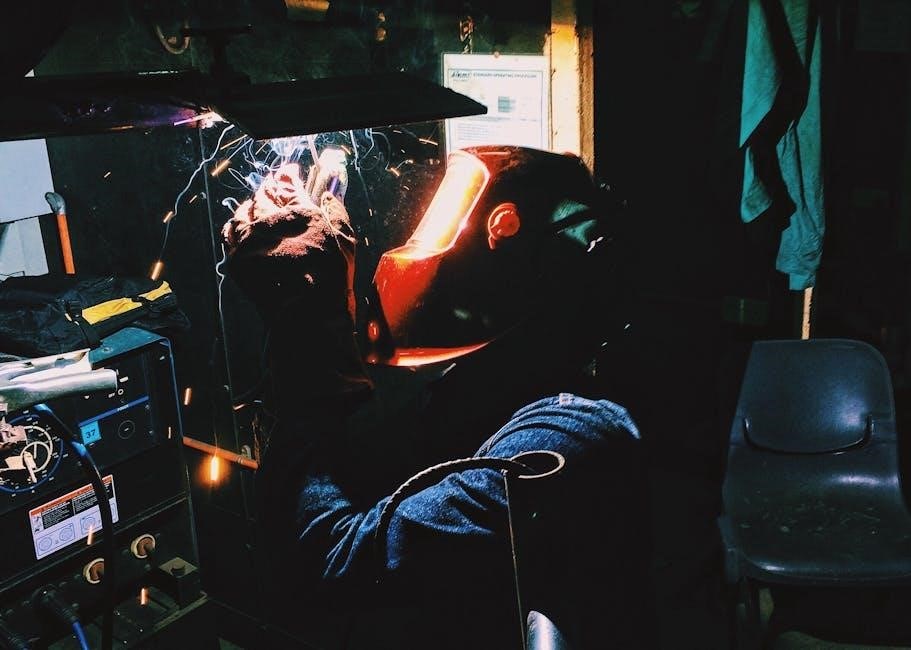
These welders cater to a diverse range of users, from DIY enthusiasts to professional tradespeople. The current landscape of AI, with tools like Blender GPT Add-ons and jailbreaking prompts for ChatGPT, demonstrates a desire for adaptable and powerful tools. Similarly, Everlast Stick Welders are designed for versatility and performance.
Recent advancements, including open-weight models like gpt-oss, highlight the importance of accessibility. Everlast aims to provide that same accessibility within the welding world, offering quality equipment and comprehensive support, as evidenced by detailed manuals and readily available resources.
Understanding the ST Model
The Everlast ST model stands as a versatile and user-friendly stick welder, reflecting the current trend of accessible technology seen in AI advancements like ChatGPT and open-weight models (gpt-oss). Much like the customizable prompts for ChatGPT – including jailbreaks – the ST model offers adjustable settings for diverse welding applications.
This welder incorporates features like Hot Start and Arc Force control, enhancing usability for both beginners and experienced welders. Its digital display and menu navigation, akin to the interfaces of modern AI tools, provide clear operational feedback. The ST model’s design prioritizes portability and durability, mirroring the demand for robust and adaptable solutions.
Understanding the ST’s capabilities requires familiarity with its parameters, amperage charts, and pulse settings – all detailed within this manual, ensuring optimal performance and longevity, similar to the detailed guides available for AI tools.
Safety Precautions & Warnings
Welding presents inherent risks; prioritize safety at all times. Like navigating the evolving landscape of AI – where responsible use is paramount – operating the Everlast ST requires strict adherence to safety guidelines. Always wear appropriate personal protective equipment (PPE), including a welding helmet, gloves, and fire-resistant clothing.
Ensure adequate ventilation to avoid inhaling fumes, similar to the need for ethical considerations when utilizing powerful AI tools. Never weld near flammable materials, and be mindful of electrical hazards. Proper grounding is crucial, preventing shocks – a critical safety measure akin to securing AI systems against malicious access.
Disconnect the power source before maintenance or inspection. This manual details specific warnings; heed them carefully. Ignoring these precautions can result in severe injury or property damage.
Package Contents & Initial Inspection
Upon receiving your Everlast ST welder, carefully inspect the package for any signs of damage during transit. Similar to verifying the integrity of open-weight AI models like gpt-oss, a thorough inspection is vital. The package should contain the ST welder unit, electrode holder with cable, ground clamp with cable, welding helmet (potentially), and this user manual.
Verify all components are present and undamaged. Check cables for fraying or exposed wires. Ensure the welder’s casing is free from dents or cracks. If any damage is found, immediately contact the retailer or Everlast customer support. Do not attempt to operate a damaged unit.
Retain the original packaging for potential warranty claims or returns. A complete inventory ensures a smooth welding experience.
Setting Up Your Everlast ST Welder
Before operation, securely position the Everlast ST welder on a stable, non-flammable surface, ensuring adequate ventilation—much like establishing a robust foundation for AI models. Connect the electrode holder and ground clamp to their respective terminals on the welder, verifying firm connections. Attach the electrode securely into the holder, following the manufacturer’s recommendations for grip length.
Ensure proper grounding procedures are followed (detailed in a separate section). Double-check all connections before powering on the unit. Familiarize yourself with the welder’s controls and digital display. Like navigating the menus of GPT-4o, understanding the interface is key.
Always wear appropriate personal protective equipment (PPE) before welding.
Power Source Requirements
The Everlast ST welder typically requires a standard 120V or 240V power input, depending on the specific model—similar to the varying computational power needed for different AI models. Verify your welder’s voltage requirement before connecting it to a power source. A dedicated circuit is highly recommended to prevent tripping breakers, especially during sustained welding operations.
Ensure the power outlet is properly grounded. Using an extension cord is discouraged, but if necessary, use a heavy-duty cord of the appropriate gauge to handle the welder’s amperage draw. Like ensuring a stable internet connection for ChatGPT, reliable power is crucial.
Avoid using the welder with damaged power cords or outlets.
Grounding Procedures
Proper grounding is paramount for safety when operating the Everlast ST welder, much like secure data protocols are vital for AI systems like ChatGPT. Connect the work clamp securely to the workpiece, ensuring a clean metal-to-metal contact. This establishes the electrical path for the welding current and minimizes the risk of electric shock.
The welder’s chassis is internally grounded through the power cord’s grounding pin. Never remove or bypass this grounding connection. Verify the outlet is also properly grounded using a receptacle tester. A poor ground can lead to dangerous voltage buildup on the welder’s exterior.
Always inspect grounding connections before each use.
Electrode Selection Guide
Choosing the correct electrode is crucial for successful welding with your Everlast ST, similar to selecting the optimal AI model – like GPT-4o – for a specific task. Electrode selection depends on the material being welded, its thickness, and the desired weld characteristics.
For steel, E6010 and E7018 electrodes are common choices. E6010 provides deep penetration, ideal for dirty or rusty steel, while E7018 offers smoother welds and higher ductility. For stainless steel, use E308 or E309 electrodes. For cast iron, specialized cast iron electrodes are required.
Electrode diameter also matters; thicker materials require larger diameter electrodes. Always store electrodes in a dry environment to prevent moisture absorption, which can cause porosity.
Welding Parameters & Settings
Optimizing welding parameters is key, much like fine-tuning an AI model such as gpt-oss for peak performance. Your Everlast ST welder offers adjustable settings to control the welding process. Amperage is the primary setting, dictating heat input and penetration. Higher amperage for thicker materials, lower for thinner ones.
Voltage influences arc characteristics; adjustments impact arc length and weld bead profile. Pulse settings (if equipped) allow for controlled heat input, reducing distortion and improving weld quality. Experimentation is vital to find the sweet spot for each application.
Refer to the amperage chart for suggested settings based on material type and thickness. Remember, these are starting points; adjust as needed based on your technique and desired results.
Amperage Chart for Different Materials
Similar to selecting the right model (like GPT-4o) for a specific task, choosing the correct amperage is crucial for successful welding. This chart provides a starting point; adjustments may be needed based on material condition, electrode type, and welding position.
Mild Steel (1/8″): 70-90 Amps. Mild Steel (3/8″): 90-120 Amps. Stainless Steel (1/8″): 60-80 Amps. Stainless Steel (3/8″): 80-100 Amps. Aluminum (1/8″): 80-100 Amps (requires specific aluminum electrodes).
Cast Iron: 70-90 Amps (use cast iron electrodes). These values are approximate; always perform test welds on scrap material to dial in the optimal amperage for your setup. Remember, proper preparation and technique are equally important.

Voltage Adjustment & Its Impact
Just as selecting the right AI model (like choosing between GPT-3.5 and GPT-4o) impacts output quality, voltage significantly affects arc characteristics. Higher voltage generally creates a flatter, wider bead with increased penetration, suitable for thicker materials. Lower voltage results in a narrower, more focused arc, ideal for thinner metals.
On the Everlast ST, voltage is often indirectly controlled through amperage settings. Experimentation is key; observe the arc and bead formation. A crackling or unstable arc indicates voltage is too high, while a sluggish arc suggests it’s too low. Fine-tuning voltage ensures optimal weld quality and minimizes defects.
Pulse Settings & Their Applications
Similar to how advanced AI models like GPT-4o offer nuanced control, pulse settings on the Everlast ST provide precise arc manipulation; Pulse welding alternates between high and low current, reducing heat input and minimizing distortion – crucial for thin materials or heat-sensitive alloys.
Pulse frequency controls the rate of current switching, while pulse width dictates the duration of the high-current phase. Higher frequency creates a tighter, more controlled arc, while wider pulse widths deliver greater penetration. These settings are invaluable for achieving clean, aesthetically pleasing welds and managing workpiece temperature effectively, mirroring the refined outputs of modern AI.
Common Welding Techniques with the ST
Just as AI tools like Blender’s GPT-4 integration simplify complex tasks, the Everlast ST facilitates various stick welding techniques. Weave patterns, stringer beads, and uphill/downhill progressions are all achievable, adapting to different joint configurations and material thicknesses.
For thicker materials, a weaving technique with a wider bead profile provides increased deposition and penetration. Stringer beads, ideal for thinner stock, offer cleaner aesthetics and reduced heat input. Mastering arc length and travel speed, akin to refining prompts for AI, is key to consistent results. The ST’s adjustable parameters empower welders to tailor their approach, mirroring the versatility of modern AI applications;
Stick Welding Basics
Similar to understanding prompts for AI models like ChatGPT, grasping fundamental stick welding principles is crucial. This process involves creating an electric arc between a coated electrode and the workpiece, melting both to form a weld. Proper setup, including grounding and electrode selection, is paramount, mirroring the initial configuration of an AI system.
Maintaining a consistent arc length, typically equal to the electrode’s diameter, is vital for stable welding. Travel speed dictates bead width and penetration. Like refining AI outputs, practice is essential to develop muscle memory and control. The Everlast ST’s features, such as hot start and arc force, aid beginners in establishing and maintaining a stable arc, much like user-friendly interfaces simplify AI interaction.
Running Beads & Maintaining Arc Length
Achieving consistent weld beads with the Everlast ST requires mastering arc length control, akin to fine-tuning prompts for optimal AI responses. A short arc provides focused heat and deep penetration, while a longer arc creates a wider, flatter bead. Maintaining a stable arc length – generally the electrode’s diameter – is key.
Smooth, even travel speed is crucial, mirroring the consistent processing needed for AI tasks. Weaving or stringer beads depend on the application. Utilize the ST’s adjustable settings, like amperage, to tailor the arc to the material and electrode. Practice visualizing the molten pool and reacting to its behavior, similar to interpreting AI-generated outputs for accuracy and relevance.
Troubleshooting Common Welding Issues
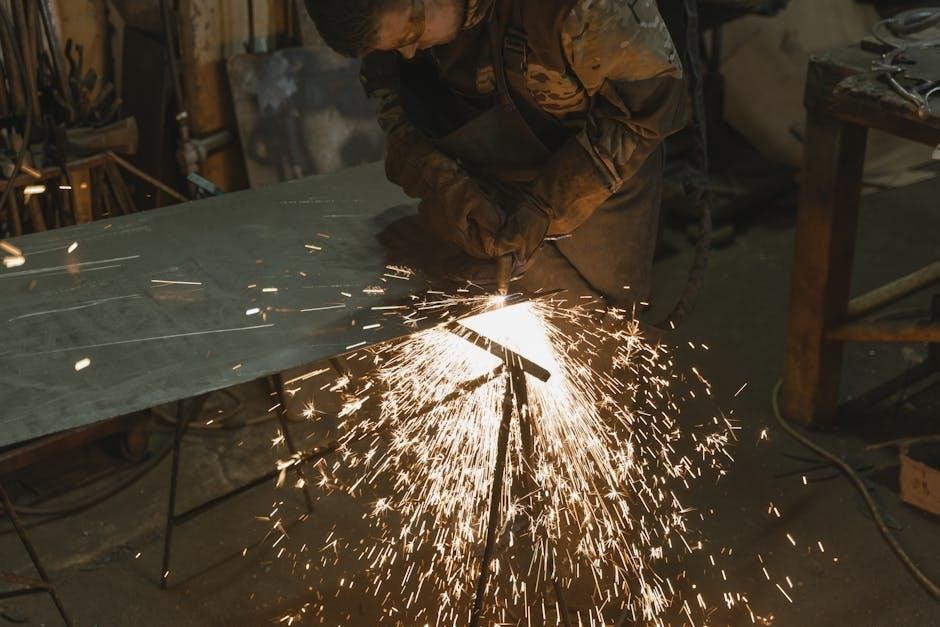
Like debugging AI prompts, resolving welding problems with the Everlast ST demands a systematic approach. Porosity often indicates contamination or incorrect amperage – adjust settings and ensure clean metal. If the arc is unstable, check grounding and power supply. Sticking electrodes suggest low amperage or damp rods; increase power or use fresh consumables.
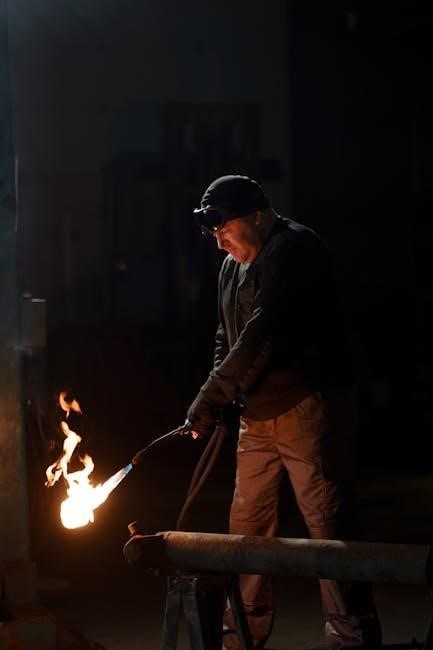
Undercutting can be remedied by reducing travel speed or lowering amperage. Spatter is common but minimized with proper settings and technique. Refer to the ST’s digital display for error codes, mirroring AI’s diagnostic outputs. Remember, consistent practice and careful observation are vital for identifying and correcting issues, just as iterative refinement improves AI performance.
Maintenance & Care
Maintaining your Everlast ST welder is crucial for longevity, akin to updating AI models for optimal function. Regularly cleaning the welder removes dust and debris, preventing overheating. Inspecting cables & connections for damage ensures safe and efficient operation – frayed wires pose a hazard. Store the welder in a dry environment, mirroring the need for stable data storage for AI.
Periodically check the gas lens and nozzle for blockages. Following these simple steps, much like routine software maintenance, will minimize downtime and maximize performance. Proper care extends the life of your investment, ensuring reliable welding for years to come, just as consistent training improves an AI’s capabilities.
Cleaning the Welder
Regular cleaning is paramount for optimal performance, much like maintaining a streamlined AI model. After each use, allow the Everlast ST welder to cool completely before cleaning. Use a soft, dry cloth to wipe down the exterior, removing dust, spatter, and grime. Avoid abrasive cleaners that could damage the finish.
Pay close attention to ventilation openings, ensuring they are free of obstructions – similar to keeping data pathways clear for AI processing. Compressed air can be used cautiously to remove debris from hard-to-reach areas. Internal components should not be cleaned by the user; professional servicing is recommended. A clean welder operates efficiently and safely.
Inspecting Cables & Connections
Robust connections are vital, mirroring the importance of stable data links in AI systems. Before each welding session, meticulously inspect all cables – power, ground, and electrode – for any signs of damage, such as cracks, fraying, or exposed wires. Ensure connections are tight and secure, preventing interruptions during operation.
Check the electrode holder for cleanliness and proper clamping force. A loose connection can cause unstable arcs and poor weld quality. Examine the ground clamp for corrosion and a firm grip on the workpiece. Regular inspection prevents hazards and ensures consistent performance, much like debugging an AI model for optimal output.
Storage Recommendations
Proper storage safeguards your Everlast ST welder, akin to preserving valuable AI model weights. When not in use, store the welder in a clean, dry environment, protected from dust, moisture, and extreme temperatures. Cover the unit to prevent contamination and potential corrosion, similar to data protection protocols.
Coil and secure all cables neatly to avoid damage and tripping hazards. Disconnect the power cord and ensure the welder is completely cool before storing. Consider a dedicated storage space to maintain organization and accessibility. Regular maintenance, including storage practices, extends the welder’s lifespan, mirroring the ongoing refinement of AI algorithms.
Advanced Features & Capabilities
The Everlast ST welder boasts features mirroring the sophistication of modern AI, like GPT-4o. Explore the Hot Start functionality, providing increased amperage for easier arc initiation, similar to AI’s quick response times. Arc Force Control dynamically adjusts amperage to maintain a stable arc, preventing stick-outs – analogous to AI’s adaptive learning.
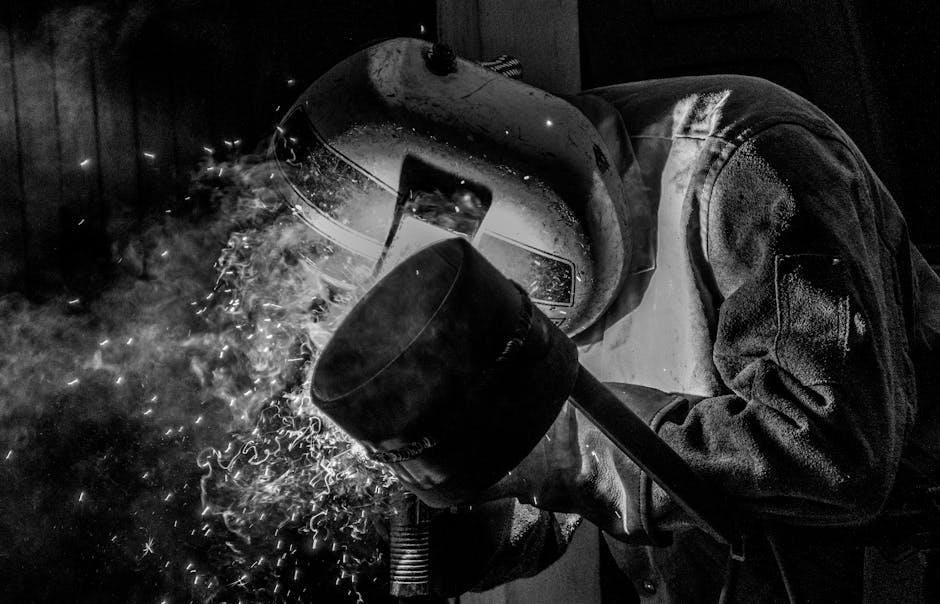
Navigate the intuitive Digital Display and Menu for precise parameter adjustments. These capabilities extend beyond basic stick welding, offering control and customization. Like Blender’s GPT-4 integration, the ST’s features enhance user experience and output quality. Mastering these advanced settings unlocks the welder’s full potential.

Hot Start Functionality
The Everlast ST’s Hot Start feature mirrors the rapid response of advanced AI models like GPT-4o. Upon arc initiation, it delivers a brief surge of increased amperage, ensuring a solid, immediate weld – preventing frustrating cold starts. This is particularly beneficial with larger diameter electrodes or welding on rusty or painted surfaces.
Adjustable Hot Start levels allow customization based on material thickness and electrode type. Think of it as fine-tuning an AI’s initial parameters for optimal performance. Proper Hot Start settings minimize tungsten inclusions and improve weld bead appearance. Experimentation is key to finding the ideal setting for your specific application, enhancing overall welding efficiency and quality.
Arc Force Control Explained
Similar to the adaptive capabilities of open-weight AI models like gpt-oss, the Everlast ST’s Arc Force control dynamically adjusts the welding output. When the arc length decreases – perhaps due to sticking – Arc Force momentarily increases amperage. This prevents the electrode from adhering to the workpiece, maintaining a stable arc and allowing for smoother welding, even with less-than-perfect technique.
Adjustable Arc Force settings offer control over this responsiveness. Higher settings are useful for thicker materials and less experienced welders, while lower settings provide greater control for precision work. Mastering Arc Force is crucial for consistent weld quality and minimizing the need for rework, mirroring the iterative refinement process of AI model training.
Digital Display & Menu Navigation
The Everlast ST welder features a user-friendly digital display, akin to the interfaces found in modern AI tools like ChatGPT, offering clear visibility of settings. Menu navigation is typically achieved through a combination of buttons – often labeled ‘Menu,’ ‘Up,’ ‘Down,’ and ‘Select’ – allowing access to parameters like amperage, Arc Force, and Hot Start.
The display provides real-time feedback during welding, showing current amperage and any active functions. Exploring the menu structure is key to unlocking the welder’s full potential, similar to discovering advanced prompts for AI models. Refer to the specific model’s documentation for detailed instructions on navigating the menu and customizing settings for optimal performance.
Frequently Asked Questions (FAQ)
Q: What does “DAN” mode refer to in relation to the Everlast ST? A: This is a misunderstanding; “DAN” relates to ChatGPT jailbreaks, not welder functionality. Q: Can the Everlast ST connect to AI tools like GPT-4o? A: No, the welder doesn’t have AI connectivity. Q: What if my welder displays an error code? A: Consult the manual’s error code section for troubleshooting steps, similar to diagnosing issues with AI models.
Q: Where can I find open-weight models for welding simulation? A: This refers to AI, not welding. Q: Is there a Blender add-on for the Everlast ST? A: No, Blender integration is for AI applications. Q: How do I purchase a ChatGPT subscription? A: This is unrelated to the welder; see ChatGPT’s website.
Error Codes & Their Meanings
E1: Overcurrent Protection – Indicates a potential overload; reduce amperage. E2: Low Voltage – Input voltage is insufficient; check power source. E3: Overheat – Welder is overheating; allow to cool down. E4: Ground Fault – Issue with grounding connection; verify grounding procedures.
E5: Gas Failure (if applicable) – Gas supply interrupted; check gas cylinder. E6: Internal Fault – Requires professional service; do not attempt repair. Note: These codes, while similar to diagnostic outputs in AI systems like ChatGPT, relate solely to welder operation. Troubleshooting mirrors identifying issues in AI models – pinpointing the source is key. Refer to the full manual for detailed resolution steps, avoiding reliance on unrelated AI “jailbreaks” or prompts.
Warranty Information & Support
Everlast Power Equipment offers a standard warranty covering manufacturing defects for a period of one year from the date of purchase. This warranty does not cover consumables like electrodes or damage resulting from misuse. Extended warranties are available for purchase.
For technical support, visit the Everlast website or contact their customer service line. Online resources, including FAQs and troubleshooting guides, are readily accessible. Remember, seeking assistance mirrors the process of refining AI prompts – clear communication yields better results. Avoid relying on unofficial “jailbreaks” for support; utilize official channels. Warranty claims require proof of purchase and a detailed description of the issue.
Resources & Further Learning
Expand your welding knowledge beyond this manual! Explore online forums dedicated to stick welding, where experienced users share tips and techniques – akin to collaborative AI model refinement. Websites like MillerWelds and Lincoln Electric offer comprehensive learning materials.
Consider online courses focusing on welding metallurgy and safety procedures. Remember the evolving landscape of AI, like GPT-4o, continuous learning is crucial. Hugging Face provides access to open-weight models like gpt-oss for experimentation. Blender GPT Add-on demonstrates AI’s creative potential. Utilize these resources to become a proficient and safe welder, mirroring the dedication required to master advanced AI tools.